The Mind Diet: Six Pillars of Brain Health
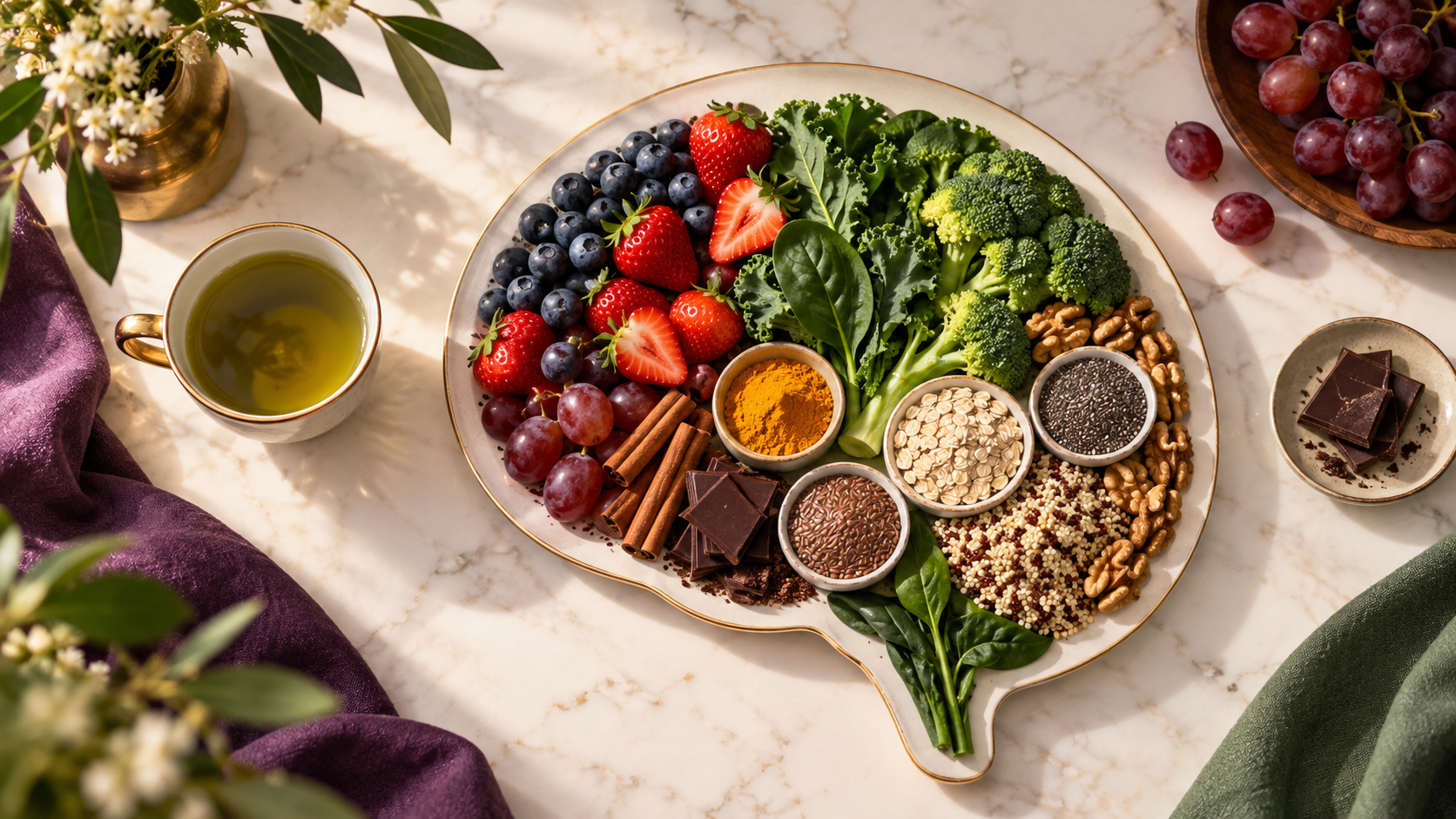
Your brain is often called the control center of your body. Beyond helping you think and remember clearly, it regulates your breathing, temperature, hunger, and hormones. Keeping your brain as healthy as possible for as long as possible is one of the best things you can do to stave off chronic, often intractable conditions like Alzheimer's disease, and the research points us toward six fundamental pillars.
Your brain's health is influenced by:
- Exercise
- Stress reduction
- Sleep and relaxation
- Socialization
- Medications and supplements
- Food and nutrition, guided by the mind diet
In this post, I will walk through each of these pillars before diving deeper into specific, actionable nutrition strategies.
Exercise for Brain Health
Exercise supports physical and mental fitness, helps you de-stress, improves sleep, and keeps your heart, lungs, and muscles healthy. It is also a fundamental pillar of brain health, and there are several types worth building into your week.
Aerobic exercise, sometimes called cardio, raises your heart rate and warms your muscles. Biking, swimming, running, and climbing stairs all count. This type of movement benefits your brain by helping preserve existing brain cells and promoting the growth of new ones.
Strength or resistance training, like pushing or pulling weights or heavy objects, helps build and maintain strong bones. It also enhances concentration and improves decision-making.
Stress Reduction for Brain Health
Stress is how your body and brain react to a threat or demand. These reactions, often called fight or flight, include a faster heart rate, quicker breathing, and heightened focus, all initiated by the brain when it senses a threat.
Once the threat passes, your stress response relaxes and your body returns to balance. But when stress lingers for days, weeks, or months, it becomes chronic, and chronic stress can shrink the part of your brain responsible for memory and learning while enlarging the part that is most reactive to stress.
Stress cannot be eliminated entirely, and that is not really the goal. What helps is learning to manage it well. One practical, if difficult, strategy is learning to say no to things you do not actually need to take on. Turning down unnecessary obligations can meaningfully lower the stress you carry.
Another strategy is staying focused on the specific problem in front of you, in the present moment, rather than letting it balloon into something bigger than it is. And calming the mind through meditation or guided imagery can redirect your attention toward something soothing and positive.
Sleep for Brain Health
Getting seven to nine hours of sleep each night supports your mood, your ability to manage stress, and your capacity to plan and run a full life, including the energy to maintain the other five pillars of brain health.
One of the most effective things you can do is keep a regular sleep schedule: going to bed and waking up around the same time every day, weekends and travel included, trains your body and brain into a healthy rhythm.
A relaxing bedtime routine helps too. Start it an hour or more before you plan to sleep. Dim the lights, put screens away, listen to soothing music or read, or take a warm bath. Whatever helps you sleep is also helping your brain.
Socialization
Staying connected to people you care about reduces stress, improves mood, and helps you feel supported. Your network might include a partner, family, friends, or your wider community.
You can connect informally, like chatting with a neighbor, or through organized activities like hobby groups, teams, or volunteering. The brain benefits of connection even extend to pets: studies show that pets can help you feel calmer and more supported, which in turn benefits your brain.
Medications and Supplements
Depending on your health situation, medications or supplements may play an important role in reducing your risk for serious conditions and slowing disease progression. High blood pressure, diabetes, and excess weight are all linked to declining brain health and an increased risk of cognitive decline and dementia. If your doctor recommends medication, or your nutrition professional recommends a supplement, take it as directed and stay on top of routine monitoring.
Food and Nutrition for Brain Health: The Mind Diet
Several foods and nutrients promote a healthy brain by slowing cognitive decline and lowering the risk of Alzheimer's disease. Researchers developed the MIND diet to emphasize foods rich in antioxidants and the plant-based phytochemicals your brain relies on. Let's go through the key players.
Omega-3 fatty acids: These essential fats support both heart and brain health. You can get excellent plant-based omega-3s from ground flaxseed, chia seeds, hemp seeds, and walnuts, and an algae-based omega-3 supplement is a great option if you want to be sure you are covering your needs.
More plants: Plants offer more than vitamins and minerals. They are also your source of fiber and antioxidant phytochemicals, and eating more of them supports heart health and healthy weight in addition to brain function. The top performers for brain health are deeply colored fruits and vegetables like berries, leafy greens, and broccoli. Aim for vegetables every day, at least six servings of leafy greens a week, and at least two servings of berries a week.
Spices and dark chocolate: These contain antioxidants called flavonoids that improve blood flow to the brain and reduce inflammation. Turmeric, cinnamon, ginger, and unsweetened dark chocolate are all worth working into your week.
Coffee and tea: Coffee, in moderation, up to about three cups a day, has been linked to better memory and a lower risk of dementia. Black and green teas also carry antioxidants that support brain health.
Red wine, in moderation: Resveratrol, found in red wine and the skin of red grapes, is an antioxidant thought to reduce cell damage and protect against the plaques associated with Alzheimer's. Too much alcohol works against your brain, so keep it to no more than one glass a day if you are a woman and no more than two if you are a man. Red grape juice offers the same resveratrol without the alcohol.
Whole grains: Oats and quinoa are rich in brain-supporting B vitamins and fiber. B vitamins help your brain create energy, repair DNA, maintain healthy neurons, and produce the neurochemicals it needs to function well, while also acting as antioxidants that protect brain cells from damage.
Vitamin D: Known as the sunshine vitamin, your skin produces it when exposed to sunlight, and low levels are linked to a higher risk of brain disorders like Alzheimer's. Aim for five to fifteen minutes of sun a few times a week, more if you have darker skin or live at a northern latitude, and never without eventual sunscreen if you are out longer. A plant-based vitamin D3 supplement, often derived from lichen, is a reliable option, and your nutrition professional can help you find the right dose.
Limit or eliminate red meat and dairy: Diets high in saturated fat are linked to a greater risk of heart disease and Alzheimer's. Replace red meat, butter, and dairy with beans, lentils, and other whole plant proteins whenever you can. This is one of the simplest, most powerful shifts you can make for your brain.
Final Thoughts
There is a lot you can do to strengthen your brain health: move your body, manage stress, protect your sleep, stay connected to people and community, and follow your care team's guidance on medications and supplements. On the food side, focus on plant-based omega-3s, more colorful plants, spices and dark chocolate, coffee and tea, vitamin D, and a modest amount of red wine, while limiting or eliminating red meat and dairy.
If you want help putting these six pillars into practice in your own life, that is exactly what I am here for.

Written by
Dr. Naija, Doctor of Functional Medicine, PhD
Dr. Naija is a Doctor of Functional Medicine, Board-Certified Holistic Nutritionist, Certified Herbalist, and chef with more than 20 years of culinary expertise. She is the founder of The Naija Goddess Center for Culinary Medicine, where she connects functional health insight with practical food and lifestyle strategy.
Ready for a Strategy Built for Your Real Life?
Discover how functional medicine insight and culinary strategy can work together for your health goals.